Vitamin E and Male Fertility: Why the Theory Makes Sense — But the Evidence Is Complicated
Vitamin E is one of the most commonly discussed antioxidants in male fertility. It appears in many fertility supplements, is frequently paired with vitamin C, and is often promoted as a way to “protect sperm from oxidative damage.”
There are good reasons researchers became interested in it in the first place. Sperm membranes contain particularly high concentrations of polyunsaturated fatty acids, especially DHA, which helps maintain membrane flexibility and sperm function. The downside is that these membranes are also highly vulnerable to oxidative injury (Wang et al.). Because vitamin E functions primarily as a fat-soluble antioxidant within lipid membranes, researchers proposed that it might help protect sperm from oxidative damage and preserve sperm function.
From a biological perspective, the rationale is entirely reasonable. The challenge is that translating that elegant mechanistic theory into consistent clinical outcomes has proven far more difficult than many early antioxidant models initially suggested.
Why Vitamin E Appeared So Promising
Sperm cells are uniquely vulnerable to oxidative stress. Their membranes are rich in polyunsaturated fats, while their internal antioxidant defences remain relatively limited. Excess reactive oxygen species (ROS) can trigger lipid peroxidation, damaging membrane integrity, impairing motility, and contributing to sperm dysfunction and DNA damage (Wright et al.; Wang et al.).
This is where vitamin E attracted particular interest. Unlike water-soluble antioxidants, vitamin E operates primarily within lipid membranes themselves, theoretically helping stabilise and protect the sperm membrane from oxidative injury.
Mechanistically, the theory is compelling. And importantly, this is not simply supplement marketing repackaged as science. There is legitimate physiology underpinning the interest in oxidative stress and sperm membrane protection.
The Clinical Evidence: Plausible Biology, Inconsistent Outcomes
Once we move from mechanistic theory into human trials, however, the picture becomes much less straightforward. Some studies have reported improvements in sperm function following antioxidant supplementation involving vitamin E.
Kessopoulou et al. reported improvements in sperm function despite relatively limited changes in conventional semen parameters. Meanwhile, Greco et al. found that combined vitamin C and vitamin E supplementation reduced sperm DNA fragmentation levels, even though standard semen analysis parameters remained largely unchanged.
Findings like these helped drive enthusiasm around antioxidant supplementation within male fertility care. But not all studies have demonstrated benefit.
Rolf et al. reported no meaningful improvement in semen parameters following high-dose vitamin C and vitamin E supplementation in men with asthenozoospermia or moderate oligoasthenozoospermia.
And this is where interpretation becomes difficult.
Different studies use:
different antioxidant combinations
different doses
different treatment durations
different fertility populations
different outcome measures
As a result, the literature quickly becomes heterogeneous and difficult to compare directly.
More recent evidence syntheses have reinforced this uncertainty. Michaelsen et al. highlighted substantial variation across antioxidant studies overall, including differences in supplement formulations, study populations, and measured outcomes, while noting that evidence for meaningful fertility outcomes such as pregnancy and live birth remained limited.
Similarly, Salas-Huetos et al. concluded that although some antioxidant studies reported improvements in semen parameters, the broader evidence base remained highly heterogeneous and difficult to interpret consistently.
So while the biologic rationale remains strong, the clinical evidence has proven far less definitive than many supplement claims imply.
The Antioxidant Paradox
One of the more important shifts in fertility research over recent years is the growing recognition that ROS are not purely harmful.
At controlled physiological levels, ROS are involved in several normal sperm functions, including capacitation, hyperactivation, and fertilisation processes (Wright et al.). In other words, sperm function depends on carefully regulated redox signalling, not the complete elimination of oxidative activity.
More recent discussions within the literature have explored the concept of reductive stress, where excessive antioxidant exposure may theoretically disrupt normal cellular signalling and physiologic balance (Moustakli et al.).
The evidence in this area is still emerging, and this should not be exaggerated into claims that antioxidants are inherently dangerous. But it does reinforce an important point: maximising antioxidant intake is not necessarily the same thing as optimising sperm function.
And biologically, that distinction matters.
Why The Research Looks So Inconsistent
Viewed through this lens, the inconsistency within antioxidant research becomes far less surprising.
Many studies:
do not assess baseline oxidative stress
include men with very different fertility profiles
combine multiple antioxidants simultaneously
use interventions shorter than a full sperm development cycle
focus on semen parameters rather than fertility outcomes
This creates major interpretation problems. A man with significant oxidative stress related to obesity, smoking, poor diet, metabolic dysfunction, inflammation, or heat exposure may respond very differently to antioxidant support compared with someone who already has relatively adequate antioxidant status. Likewise, correcting a genuine nutritional deficiency is biologically different from adding progressively larger doses of antioxidants onto an already adequate system.
This is one reason fertility supplementation research often appears contradictory on the surface. We are frequently studying different populations with different underlying physiology while expecting a single universal answer. And reproductive biology rarely behaves that neatly.
Why Food Patterns Probably Matter More
One of the problems with online fertility discussions is that nutrients are often treated as isolated entities rather than components of broader dietary systems. Vitamin E does not naturally exist as a high-dose capsule floating independently through the bloodstream.
In real diets, it is found within foods such as:
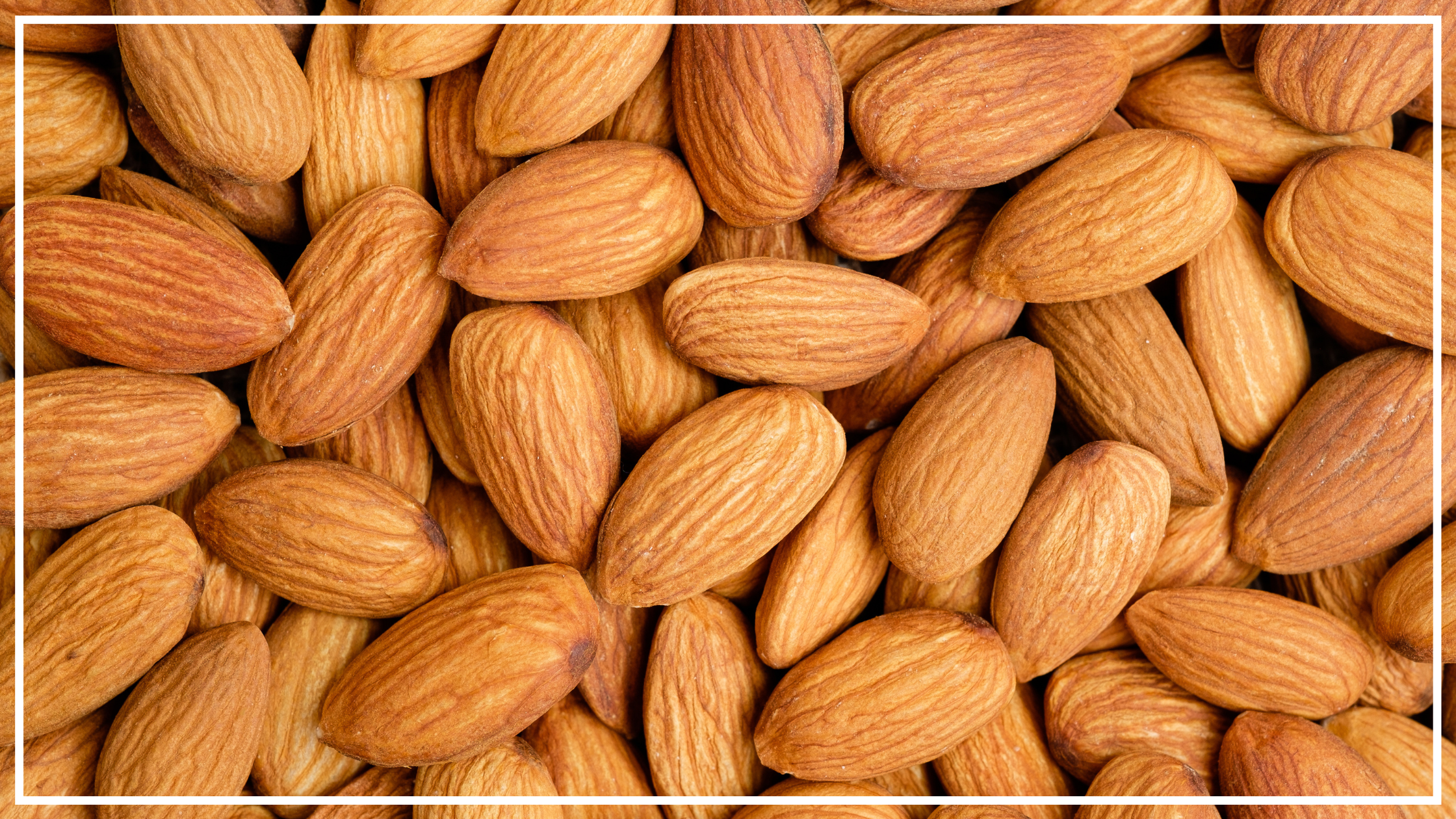
nuts and seeds
olive oil
avocado
whole grains
oily fish
plant foods more broadly
These foods contribute far more than vitamin E alone. They also provide healthy fats, fibre, polyphenols, and broader dietary quality improvements that influence inflammation, metabolic health, and oxidative balance more broadly.
This is one reason Mediterranean-style dietary patterns remain more consistently associated with better fertility outcomes than isolated antioxidant supplementation alone.
For most men, improving overall dietary quality is likely to matter far more than simply escalating antioxidant doses.
For a broader breakdown of nutrition foundations for sperm health:
👉 Fertility Diet for Men: What to Eat to Support Sperm Health
So Where Might Vitamin E Actually Fit?
At the moment, the evidence probably supports a fairly moderate interpretation. Vitamin E appears biologically plausible and may help support sperm health in some men, particularly where oxidative stress is contributing to impaired sperm function.
But:
effects appear inconsistent
benefits are unlikely to be universal
evidence for pregnancy and live birth outcomes remains limited
and more antioxidants are not automatically better
Which is why supplementation should usually sit within a broader fertility strategy rather than replacing it.
Diet quality, smoking, sleep, alcohol intake, body composition, metabolic health, environmental exposures, and underlying medical issues often influence sperm health far more substantially than any single antioxidant nutrient alone.
The Bottom Line
Vitamin E is not meaningless. There is strong biologic rationale supporting its role in protecting sperm membranes from oxidative damage. But once we move into clinical fertility outcomes, the evidence becomes far more complicated and inconsistent than many supplement discussions suggest.
For most men, the foundations still matter most:
reducing ultra-processed food intake
improving sleep
managing alcohol intake
addressing metabolic health
supporting the environment sperm develop within over time
Supplements may help refine that process in selected situations.
But they don’t replace it.
If you’d like a structured, evidence-based approach to sperm health, fertility nutrition, and supplement interpretation, you can book a Sperm Health Assessment below.
References
Wang Y, Fu X, Li H. Mechanisms of oxidative stress-induced sperm dysfunction. Front Endocrinol (Lausanne). 2025;16:1520835. doi:10.3389/fendo.2025.1520835.
Wright C, Milne S, Leeson H. Sperm DNA damage caused by oxidative stress: modifiable clinical, lifestyle and nutritional factors in male infertility. Reprod Biomed Online. 2014;28(6):684–703.
Kessopoulou E, Powers HJ, Sharma KK, Pearson MJ, Russell JM, Cooke ID, et al. A double-blind randomized placebo cross-over controlled trial using the antioxidant vitamin E to treat reactive oxygen species associated male infertility. Fertil Steril. 1995;64(4):825–831.
Greco E, Romano S, Iacobelli M, Ferrero S, Baroni E, Minasi MG, et al. Reduction of the incidence of sperm DNA fragmentation by oral antioxidant treatment. J Androl. 2005;26(3):349–353.
Rolf C, Cooper TG, Yeung CH, Nieschlag E. Antioxidant treatment of patients with asthenozoospermia or moderate oligoasthenozoospermia with high-dose vitamin C and vitamin E: a randomized, placebo-controlled, double-blind study. Hum Reprod. 1999;14(4):1028–1033.
Michaelsen MP, Poulsen M, Bjerregaard AA, Borgstrøm M, Poulsen LK, Chortsen MB, et al. The effect of dietary supplements on male infertility in terms of pregnancy, live birth, and sperm parameters: a systematic review and meta-analysis. Nutrients. 2025;17(10):1710.
Salas-Huetos A, Bulló M, Salas-Salvadó J. Dietary patterns, foods and nutrients in male fertility parameters and fecundability: a systematic review of observational studies. Hum Reprod Update. 2017;23(4):371–389.
Moustakli E, Christopoulos P, Potiris A, Zikopoulos A, Matsas A, Arkoulis I, et al. Reductive stress and the role of antioxidants in male infertility: a narrative review. Arch Gynecol Obstet. 2025;312:1503–1514.