Vitamin C and Male Fertility: Why Isolating the Effect Is More Difficult Than It Sounds
Vitamin C is one of the most commonly included ingredients in male fertility supplements. It’s frequently paired with vitamin E, zinc, selenium, CoQ10, and other antioxidants, usually with the goal of reducing oxidative stress and protecting sperm from damage.
There are good reasons vitamin C attracted attention in the first place. Oxidative stress is strongly linked with sperm dysfunction and sperm DNA damage, and vitamin C plays an important role within the body’s antioxidant defence system (Agarwal et al.; Wright et al.). But despite the biologic plausibility, the research surrounding vitamin C supplementation has proven surprisingly difficult to interpret clearly. And much of that difficulty comes down to one central problem: vitamin C rarely acts alone.
Why Researchers Became Interested in Vitamin C
Sperm cells are particularly vulnerable to oxidative damage. Their membranes contain large amounts of polyunsaturated fats, while their internal antioxidant defences are relatively limited. Excess reactive oxygen species (ROS) can impair motility, damage membranes, and contribute to sperm DNA fragmentation (Wright et al.).
Because vitamin C functions as a major water-soluble antioxidant within seminal fluid, researchers proposed that increasing antioxidant availability might help protect sperm from this damage.
Vitamin C also interacts with other antioxidant systems. Agarwal et al. described how vitamin C may help regenerate oxidised vitamin E, contributing to broader antioxidant protection within reproductive tissues.
From a mechanistic perspective, the rationale is entirely reasonable. The challenge is what happens once that theory is tested clinically.
The Interpretation Problem in Vitamin C Research
One of the major difficulties with vitamin C research is that it is rarely studied in isolation. Most fertility trials combine vitamin C with multiple antioxidants simultaneously, including vitamin E, selenium, zinc, carnitine, or CoQ10. This creates an obvious interpretation problem: if sperm parameters improve, it becomes difficult to determine whether vitamin C contributed meaningfully, whether another component drove the effect, or whether the result reflected the combined intervention overall.
Greco et al., for example, studied men with elevated sperm DNA fragmentation using combined vitamin C and vitamin E supplementation. The study reported reductions in DNA fragmentation following treatment, despite relatively limited changes in standard semen analysis parameters.
Mechanistically, this finding makes sense. Oxidative stress is closely linked with DNA damage, and antioxidants may help reduce that burden in at least some men (Wright et al.).
But even positive studies leave important unanswered questions:
Which antioxidant mattered most?
Would the same effect occur with vitamin C alone?
Which men are most likely to benefit?
Do changes in DNA fragmentation reliably improve pregnancy outcomes?
These questions become difficult to answer when antioxidant studies vary so substantially in:
supplement combinations
dosage
study duration
participant characteristics
outcome measures
And not all studies have shown benefit.
Rolf et al. reported no meaningful improvement in semen parameters following high-dose vitamin C and vitamin E supplementation in men with asthenozoospermia or oligoasthenozoospermia.
Taken together, the research paints a far more complex and inconsistent picture than many fertility supplement discussions suggest.
What More Recent Reviews Have Found
As more studies accumulated, researchers began looking at the antioxidant literature more broadly through systematic reviews and meta-analyses.
Salas-Huetos et al. concluded that while some antioxidant studies reported improvements in sperm parameters, the overall evidence base remained highly heterogeneous and difficult to interpret consistently.
More recently, Michaelsen et al. reviewed placebo-controlled studies involving dietary supplements and male infertility outcomes. They highlighted major variation across studies, including differences in supplement formulations, study populations, and outcome measures, while also noting that evidence for meaningful fertility outcomes such as pregnancy and live birth remained limited overall.
This does not mean antioxidants are ineffective. But it does suggest the field is considerably more uncertain and context-dependent than early enthusiasm initially implied.
ROS Are Not Purely Harmful
Complicating things further, sperm cells do not simply require antioxidant protection. They also rely on controlled oxidative signalling. At physiological levels, reactive oxygen species are involved in processes such as capacitation and fertilisation (Wright et al.). In other words, ROS are not purely damaging molecules that need to be eliminated entirely.
More recent discussions within the literature have explored the concept of reductive stress, where excessive antioxidant exposure may theoretically disrupt normal redox signalling and cellular function (Moustakli et al.). The evidence in this area is still developing, and this should not be exaggerated into claims that antioxidants are inherently harmful. But it does reinforce an important point: sperm biology depends on balance, not maximal antioxidant exposure. This may partly explain why antioxidant trials often produce inconsistent findings despite strong biological rationale.
Why Food-First Approaches Usually Make More Sense
In practice, most men are probably better served by improving overall diet quality before pursuing increasingly aggressive antioxidant supplementation strategies.
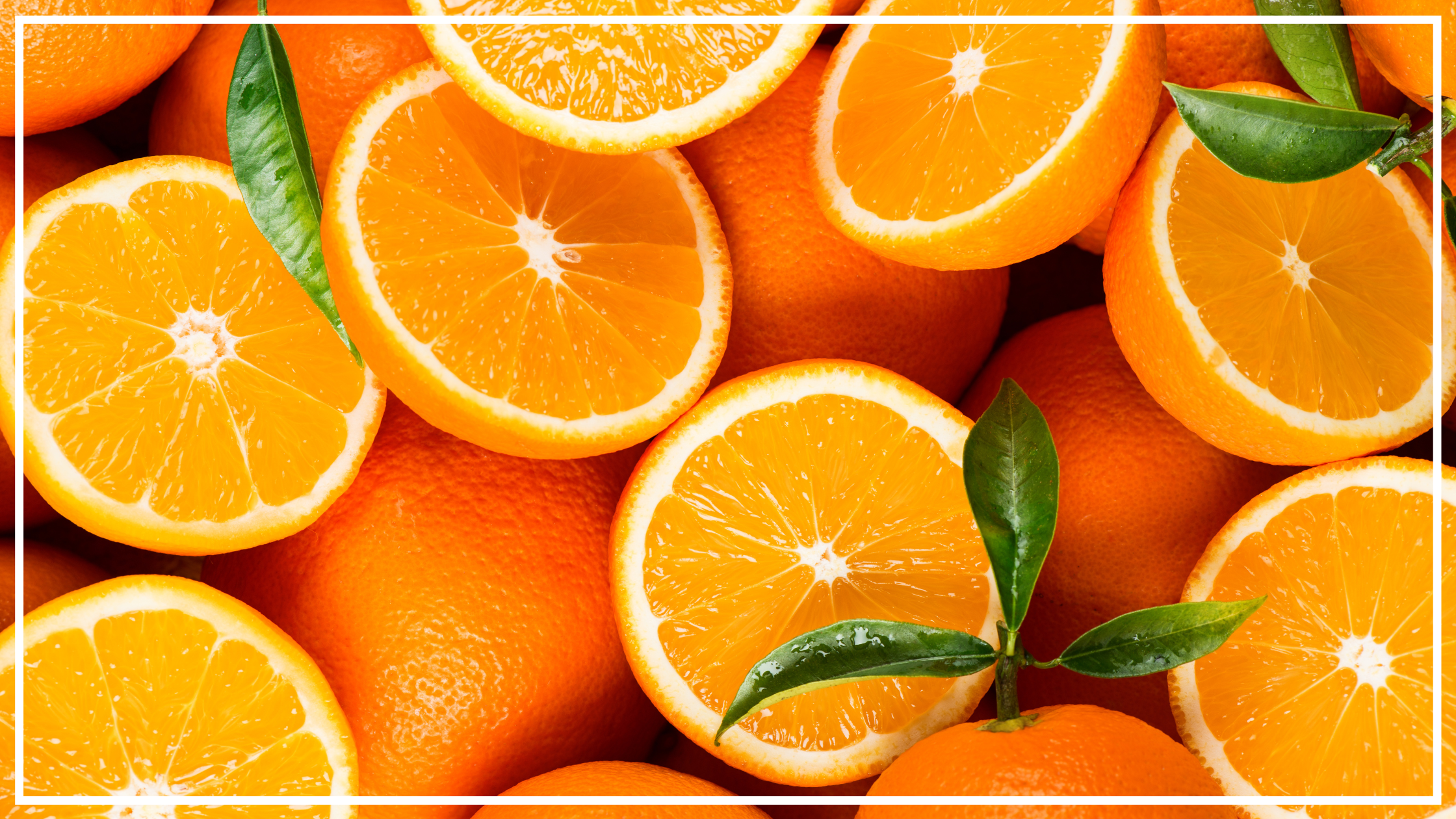
In practice, obtaining vitamin C from food is usually very achievable for most men. Foods such as citrus fruit, kiwi fruit, berries, capsicum, broccoli, tomatoes, and other vegetables can contribute substantial amounts naturally without relying on high-dose supplementation. And importantly, these foods do not deliver vitamin C in isolation. They also improve overall dietary quality, fibre intake, polyphenol exposure, and broader nutritional patterns that may influence reproductive health more meaningfully than a single antioxidant capsule alone.
And importantly, fertility outcomes appear to align more consistently with overall dietary patterns than isolated nutrient interventions alone.
That includes patterns associated with:
higher fruit and vegetable intake
Mediterranean-style eating
lower ultra-processed food intake
healthier body composition
improved metabolic health
reduced smoking exposure
In this context, vitamin C probably makes more sense as one component of a broader nutritional framework rather than as a standalone fertility solution.
For a broader breakdown of nutrition foundations for sperm health:
👉 Fertility Diet for Men: What to Eat to Support Sperm Health
So Where Might Vitamin C Actually Fit?
At the moment, the evidence probably supports a fairly moderate interpretation.
Vitamin C appears biologically plausible and may help support sperm health in some men, particularly where oxidative stress or elevated DNA fragmentation are contributing factors.
But:
effects appear inconsistent
benefits are unlikely to be universal
evidence for pregnancy and live birth outcomes remains limited
and larger antioxidant stacks are not automatically better
Which is why supplementation should usually sit within a broader fertility strategy rather than replacing it.
Diet quality, smoking, sleep, alcohol intake, body composition, metabolic health, environmental exposures, and underlying medical issues often influence sperm health far more substantially than any single antioxidant nutrient alone.
The Bottom Line
Vitamin C is not useless. But neither is it a simple shortcut to improved fertility.
There is legitimate biologic rationale supporting its role in antioxidant defence and sperm protection. The challenge is that translating those mechanisms into reliable clinical outcomes has proven far more complicated than many early studies initially suggested.
For most men, the foundations still matter most:
improving diet quality
reducing ultra-processed food intake
improving sleep
managing alcohol intake
addressing metabolic health
supporting the environment sperm develop within over time
Supplements may help refine that process in selected situations.
But they don’t replace the foundations.
References
Agarwal A, Nallella KP, Allamaneni SSR, Said TM. Role of antioxidants in treatment of male infertility: an overview of the literature. Reprod Biomed Online. 2004;8(6):616–627.
Wright C, Milne S, Leeson H. Sperm DNA damage caused by oxidative stress: modifiable clinical, lifestyle and nutritional factors in male infertility. Reprod Biomed Online. 2014;28(6):684–703.
Greco E, Romano S, Iacobelli M, Ferrero S, Baroni E, Minasi MG, et al. Reduction of the incidence of sperm DNA fragmentation by oral antioxidant treatment. J Androl. 2005;26(3):349–353.
Rolf C, Cooper TG, Yeung CH, Nieschlag E. Antioxidant treatment of patients with asthenozoospermia or moderate oligoasthenozoospermia with high-dose vitamin C and vitamin E: a randomized, placebo-controlled, double-blind study. Hum Reprod. 1999;14(4):1028–1033.
Salas-Huetos A, Rosique-Esteban N, Becerra-Tomás N, Vizmanos B, Bulló M, Salas-Salvadó J. The effect of nutrients and dietary supplements on sperm quality parameters: a systematic review and meta-analysis of randomized clinical trials. Adv Nutr. 2018;9(6):833–848.
Michaelsen MP, Poulsen M, Bjerregaard AA, Borgstrøm M, Poulsen LK, Chortsen MB, et al. The effect of dietary supplements on male infertility in terms of pregnancy, live birth, and sperm parameters: a systematic review and meta-analysis. Nutrients. 2025;17(10):1710.
Moustakli E, Christopoulos P, Potiris A, Zikopoulos A, Matsas A, Arkoulis I, et al. Reductive stress and the role of antioxidants in male infertility: a narrative review. Arch Gynecol Obstet. 2025;312:1503–1514.