The Best Diet for Male Fertility? What Research Says About the Mediterranean Diet
If you're trying to conceive, you've probably wondered whether there is a specific diet that can improve sperm health.
The short answer is that there is no single "fertility diet" proven to guarantee pregnancy. However, among all the dietary patterns studied, a Mediterranean-style eating pattern has the most consistent association with better sperm health.
A recent systematic review and meta-analysis found that men with greater adherence to a Mediterranean-style dietary pattern tended to have higher sperm count, better motility and improved morphology compared to men with lower adherence (Agarwal et al., 2025). Similar findings have been reported across fertility clinic populations, observational studies and dietary intervention trials.
Importantly, the benefits do not appear to come from a single "superfood" or supplement. Instead, the evidence suggests that overall dietary patterns matter more than individual nutrients. In other words, what you eat most of the time is likely more important than any one food, supplement or fertility hack.
In this article, we'll explore what a Mediterranean-style eating pattern looks like, what the research says about sperm health, and how you can apply these principles if you're trying to conceive.
If you're looking for a broader overview of the factors that influence male fertility, you may also find our guide on how to improve sperm health naturally helpful.
Why Dietary Patterns Matter More Than Individual Nutrients
When men start looking into fertility nutrition, it's easy to become overwhelmed by advice about specific supplements, antioxidants and so-called fertility superfoods.
CoQ10. Zinc. Selenium. Lycopene. Walnuts.
While many of these nutrients play important roles in reproductive health, researchers are increasingly recognising that overall dietary patterns are likely to be more important than any individual food or nutrient.
Think about it this way: nobody eats nutrients in isolation. We eat meals, foods and dietary patterns. The nutrients within those foods interact with one another, making it difficult to separate the effects of a single nutrient from the overall diet.
A recent systematic review and meta-analysis examining Mediterranean diet adherence and male fertility found that men who more closely followed a Mediterranean-style eating pattern generally had better sperm count, motility and morphology than those with lower adherence (Agarwal et al., 2025).
More importantly, the emerging evidence suggests that healthy dietary patterns consistently outperform Western-style dietary patterns for measures of sperm health. Diets characterised by higher intakes of vegetables, fruit, legumes, nuts, seafood and healthy fats tend to be associated with better semen quality, while diets higher in processed meats, sugary drinks and ultra-processed foods tend to be associated with poorer outcomes (Agarwal et al., 2025).
This doesn't mean that a single meal will make or break your fertility. Rather, the evidence suggests that the overall pattern of foods you eat week after week and month after month may influence sperm health more than any individual supplement or "fertility food".
So if dietary patterns matter most, what does the research say about the pattern that appears most consistently associated with better sperm health?
What Is a Mediterranean-Style Eating Pattern?
Despite the name, there is no single Mediterranean diet. Different studies use slightly different definitions and scoring systems, which is one reason you'll often see researchers refer to a Mediterranean-style dietary pattern rather than a specific diet.
However, most Mediterranean-style eating patterns share several common features:
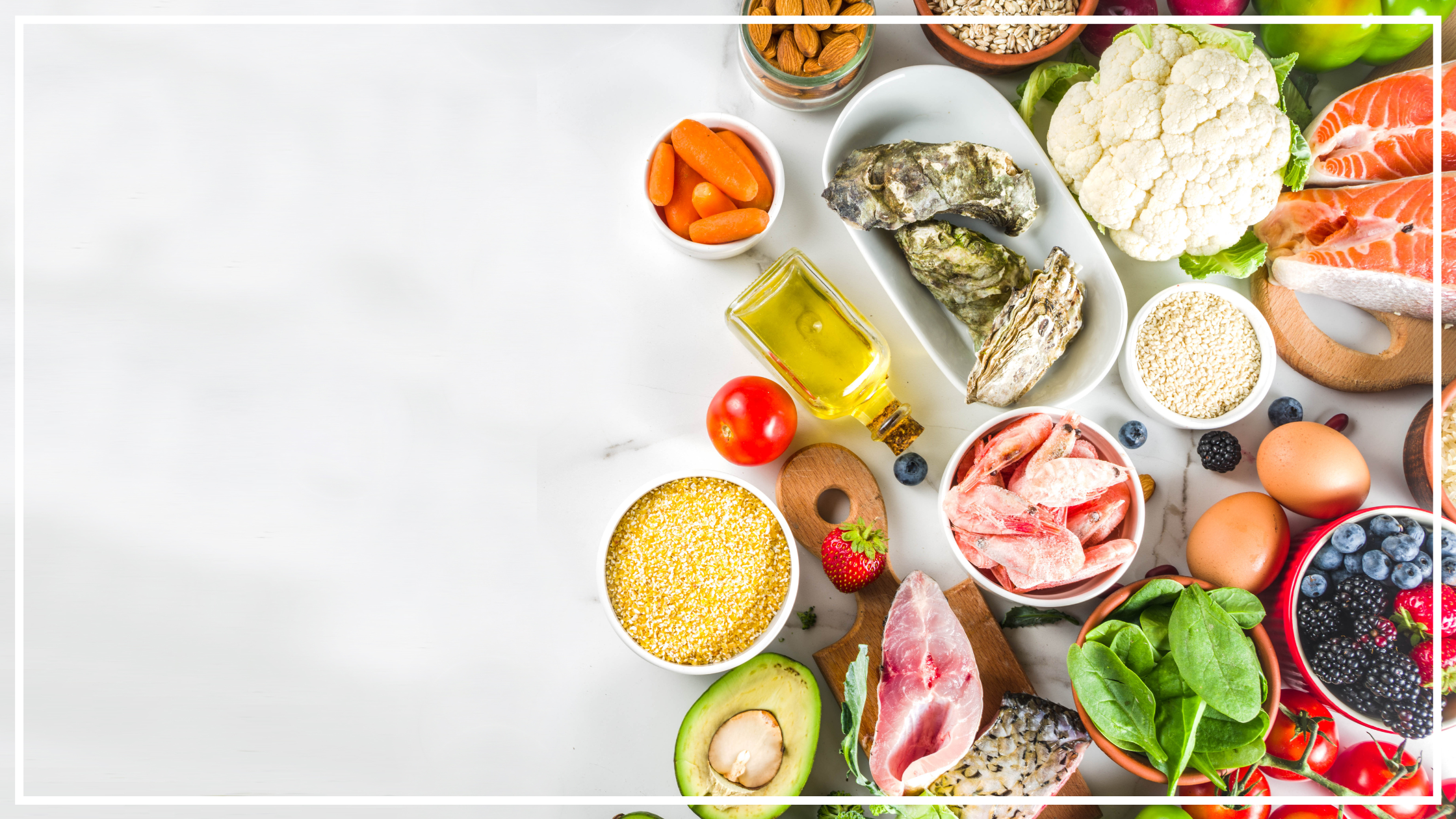
Plenty of vegetables and fruit
Regular intake of legumes such as beans, lentils and chickpeas
Whole grains
Nuts and seeds
Fish and seafood
Olive oil as the primary added fat
Moderate amounts of dairy foods
Limited intake of ultra-processed foods
Lower intakes of processed meats and sugar-sweetened beverages
Importantly, Mediterranean-style eating is not defined by a single "superfood". Instead, it is the overall pattern of eating that appears to matter.
If you've followed nutrition advice for heart health, diabetes prevention or general wellbeing, much of this will look familiar. In fact, one reason researchers are interested in Mediterranean-style eating patterns is that they have repeatedly been associated with positive health outcomes across a wide range of conditions.
The question is whether those benefits extend to male reproductive health.
Fortunately, a growing body of research suggests they might.
For a more detailed breakdown of the foods, nutrients and dietary strategies that support reproductive health, see our complete guide to the male fertility diet.
What Does the Research Say About Mediterranean-Style Eating Patterns and Sperm Health?
Mediterranean-style eating patterns are among the most consistently studied dietary approaches in male fertility research.
A 2025 systematic review and meta-analysis examined the relationship between Mediterranean diet adherence and male fertility outcomes across observational studies and clinical trials (Agarwal et al., 2025). Overall, men who more closely followed a Mediterranean-style eating pattern tended to have better semen quality than those with lower adherence.
Specifically, greater adherence was associated with improvements in several key semen parameters, including sperm count, total motility, progressive motility and morphology (Agarwal et al., 2025).
Importantly, these findings were not based on a single study. Rather, they emerged from a body of research conducted across different countries and populations, suggesting that the association is reasonably consistent.
However, the authors also highlighted an important limitation. While Mediterranean-style eating patterns were associated with better semen quality, evidence linking dietary patterns directly to pregnancy and live birth outcomes remains limited. In other words, better sperm parameters do not automatically guarantee improved fertility outcomes (Agarwal et al., 2025).
Several individual studies provide further support for these findings.
Mediterranean-Style Eating Patterns and Semen Quality
The strongest evidence supporting Mediterranean-style eating patterns comes from studies examining semen quality.
One of the most influential studies in this area was conducted by Karayiannis and colleagues in 2017. The researchers assessed Mediterranean diet adherence in men attending a fertility clinic and found that men with greater adherence generally had better semen quality. Higher adherence was associated with improved sperm concentration, total sperm count, total motility, progressive motility and morphology (Karayiannis et al., 2017).
Importantly, men with the lowest adherence to a Mediterranean-style eating pattern were approximately 2.6 times more likely to have abnormal semen parameters compared to men with the highest adherence (Karayiannis et al., 2017).
Similar findings have been reported in other fertility populations. In a study of nearly 400 men undergoing assisted reproductive treatment, lower adherence to a Mediterranean-style dietary pattern was associated with lower sperm concentration and total sperm count (Ricci et al., 2019).
While these studies cannot prove that diet directly caused the differences observed, they provide an important and remarkably consistent signal. Across multiple populations and countries, men whose diets contained more vegetables, fruit, legumes, whole grains, nuts, seafood and olive oil tended to have better sperm parameters than men consuming more Western-style dietary patterns.
Just as importantly, the opposite pattern has also emerged. Diets characterised by higher intakes of processed meats, sugary drinks and highly processed foods have generally been associated with poorer semen quality (Agarwal et al., 2025).
Taken together, these findings suggest that what men eat on a day-to-day basis may influence sperm health long before they ever step foot inside a fertility clinic.
But semen analysis only tells part of the story. Researchers are increasingly interested in another marker of sperm health that may be even more important: sperm DNA integrity.
Beyond Sperm Count: Diet and DNA Fragmentation
When most people think about sperm health, they think about sperm count, motility and morphology. While these measures remain important, they don't tell the whole story.
A growing area of research focuses on sperm DNA fragmentation, which refers to damage within the genetic material carried by sperm. Elevated DNA fragmentation has been associated with reduced fertility, lower embryo quality, recurrent pregnancy loss and poorer outcomes in some assisted reproductive treatments.
This is where the research becomes particularly interesting.
In a prospective study of 336 men, Jurewicz and colleagues examined the relationship between dietary patterns and sperm health. Men who more closely followed a prudent dietary pattern—characterised by higher intakes of fruits, vegetables, whole grains, fish and poultry—had higher sperm concentrations, higher testosterone levels and lower sperm DNA fragmentation compared to men with lower adherence (Jurewicz et al., 2018)..
While this prudent dietary pattern was not identical to a Mediterranean-style eating pattern, the overlap is obvious. Both dietary patterns emphasise minimally processed foods, plant foods and seafood while limiting heavily processed foods.
Why might this matter?
One theory is that Mediterranean-style eating patterns provide a combination of nutrients that help support the body's antioxidant defences. Fruits, vegetables, legumes, nuts, seafood and olive oil contain a wide range of compounds that may help reduce oxidative stress—a process believed to play an important role in sperm DNA damage.
Although more research is needed, these findings suggest that the potential benefits of a Mediterranean-style eating pattern may extend beyond simply improving sperm count or motility. Diet may also influence the quality and integrity of the genetic material carried within sperm.
Of course, most couples are interested in more than laboratory results. The ultimate question is whether dietary patterns influence the chances of actually achieving a pregnancy.
Does Diet Influence Fertility Outcomes?
While improvements in sperm count, motility and DNA integrity are encouraging, most couples are ultimately interested in one question:
Will changing my diet improve my chances of having a baby?
Unfortunately, this is where the evidence becomes less clear.
Compared to studies examining semen parameters, relatively few studies have investigated whether dietary patterns directly influence conception, pregnancy or live birth rates. These studies are also more challenging to conduct because fertility outcomes are influenced by many factors beyond male nutrition, including female age, reproductive health, timing of intercourse and underlying medical conditions.
However, there are some promising findings.
In a prospective study of couples trying to conceive, Gaskins and colleagues found that higher seafood intake was associated with shorter time-to-pregnancy and greater fecundity (Gaskins et al., 2018). Couples who consumed seafood more frequently conceived more quickly than those with lower seafood intake.
While seafood intake alone does not define a Mediterranean-style eating pattern, it is one of its key features and provides some evidence that dietary habits may influence fertility outcomes beyond semen quality alone.
At the same time, it is important not to overstate the evidence. The 2025 systematic review and meta-analysis by Agarwal and colleagues concluded that while Mediterranean-style eating patterns are consistently associated with better semen quality, evidence linking these dietary patterns directly to pregnancy and live birth outcomes remains limited and inconsistent (Agarwal et al., 2025).
This distinction matters.
A Mediterranean-style eating pattern should not be viewed as a guarantee of conception. Fertility is complex, and no dietary pattern can overcome every cause of infertility.
What the evidence does suggest is that diet represents one of the most important modifiable lifestyle factors available to men. Improving dietary quality may help optimise sperm health, support overall health and potentially improve the chances of conception as part of a broader fertility strategy.
The next logical question is whether changing your diet can actually improve sperm health.
Can Changing Your Diet Actually Improve Sperm Health?
Most of the studies discussed so far are observational. This means they can identify associations between dietary patterns and sperm health, but they cannot prove that diet caused the differences observed.
While most of the evidence discussed so far comes from observational studies, a small number of intervention studies provide encouraging evidence that positive lifestyle changes may improve sperm health.
In the FASt Randomized Controlled Trial, healthy young men living in highly polluted areas of Italy participated in a four-month lifestyle intervention that combined a Mediterranean-style eating pattern with increased physical activity (Montano et al., 2022).
Compared with the control group, men in the intervention group experienced improvements in sperm concentration, total motility, progressive motility and morphology. The intervention group also demonstrated improvements in antioxidant capacity.
Because the study included both dietary and lifestyle changes, it is impossible to determine exactly how much of the benefit came from diet alone. Nevertheless, the findings suggest that positive lifestyle changes—including adopting a Mediterranean-style eating pattern—may help support sperm health over time.
What Should Men Eat When Trying to Conceive?
One of the biggest misconceptions in fertility nutrition is that improving sperm health requires a long list of supplements, expensive superfoods or a perfect diet.
In reality, the evidence points towards a relatively simple approach: build your diet around the foods that consistently appear in Mediterranean-style eating patterns and healthy dietary patterns more broadly.
Based on the current evidence, men trying to conceive should aim to eat more:
Vegetables
Fruit
Legumes such as beans, lentils and chickpeas
Whole grains
Nuts and seeds
Fish and seafood
Olive oil and other unsaturated fats
At the same time, it may be beneficial to limit:
Processed meats
Sugar-sweetened beverages
Highly processed snack foods
Fast food and takeaway meals
Diets dominated by ultra-processed foods
Rather than focusing on individual foods, I encourage clients to think about building a fertility-supportive plate.
That doesn't mean every meal needs to be perfect. Instead, focus on gradually increasing the proportion of whole, minimally processed foods in your diet. If most of your meals contain vegetables, a quality protein source, a source of healthy fats and some high-fibre carbohydrates, you're probably moving in the right direction.
For most men, consistently improving dietary quality over the 2–3 months before trying to conceive is likely to have a greater impact than chasing the latest fertility supplement, superfood or nutrition trend.
Not sure how to put these principles into practice? Download our 7-Day Men's Fertility Meal Plan for practical meal ideas built around a Mediterranean-style eating pattern.
The Bottom Line
So, what is the best diet for male fertility?
Based on current evidence, there is no single fertility diet that has been proven to guarantee conception. However, among the dietary patterns studied, Mediterranean-style eating patterns have the most consistent association with better sperm health.
Research suggests that men who eat more vegetables, fruit, legumes, whole grains, nuts, seafood and healthy fats tend to have better sperm count, motility, morphology and potentially lower levels of sperm DNA damage (Agarwal et al., 2025; Karayiannis et al., 2017; Jurewicz et al., 2018).
While evidence linking dietary patterns directly to pregnancy and live birth outcomes remains limited, improving diet quality represents one of the most practical and accessible steps men can take to support their fertility.
The good news is that fertility nutrition doesn't need to be complicated. You don't need expensive supplements, exotic superfoods or a perfect diet. Start by eating more whole, minimally processed foods, include fish and seafood regularly, and make vegetables, fruit, legumes and healthy fats a larger part of your routine.
Small changes, repeated consistently over time, are likely to matter far more than any single food or supplement.
Remember, sperm take approximately 12 weeks to develop. The choices you make today may help shape the quality of the sperm you'll produce in the months ahead.
Ready to Take the Next Step?
If you're trying to conceive and wondering how your diet, lifestyle or overall health may be affecting your fertility, a personalised assessment can help identify the factors most likely to move the needle.
My Sperm Health Assessment includes a comprehensive review of your nutrition, lifestyle, medical history, supplements, blood tests and semen analysis results, along with practical, evidence-based recommendations tailored to your situation.
Whether you're trying to conceive naturally, preparing for IVF or simply looking to optimise your reproductive health, you'll leave with a clear roadmap and actionable next steps.
Book a Sperm Health Assessment today and start building a personalised plan to support your fertility.
References
Agarwal R, Salas-Salvadó J, Davila-Cordova E, Shyam S, Fernández de la Puente M, Pérez Azurmendi M, et al. Mediterranean diet, semen quality, and medically assisted reproductive outcomes in the male population: a systematic review and meta-analysis. Adv Nutr. 2025;16:100454.
Karayiannis D, Kontogianni MD, Mendorou C, Douka L, Mastrominas M, Yiannakouris N. Association between adherence to the Mediterranean diet and semen quality parameters in male partners of couples attempting fertility. Hum Reprod. 2017;32(1):215-222.
Ricci E, Noli S, Ferrari S, La Vecchia I, Cipriani S, De Cosmi V, et al. Mediterranean diet and outcomes of assisted reproduction in infertile men. Nutrients. 2019;11(12):2945.
Jurewicz J, Radwan M, Sobala W, Radwan P, Bochenek M, Hanke W. Dietary patterns and their relationship with semen quality. Am J Mens Health. 2018;12(5):575-583.
Gaskins AJ, Chiu YH, Williams PL, Keller MG, Toth TL, Hauser R, et al. Seafood intake, sexual activity, and time to pregnancy. J Clin Endocrinol Metab. 2018;103(7):2680-2688.
Montano L, Ceretti E, Donato F, Bergamo P, Zani C, Viola GCV, et al. Effects of a lifestyle change intervention on semen quality in healthy young men living in highly polluted areas in Italy: the FASt randomized controlled trial. Eur Urol Focus. 2022;8(2):351-359.