Antioxidants and Male Fertility: Do They Actually Improve Outcomes?
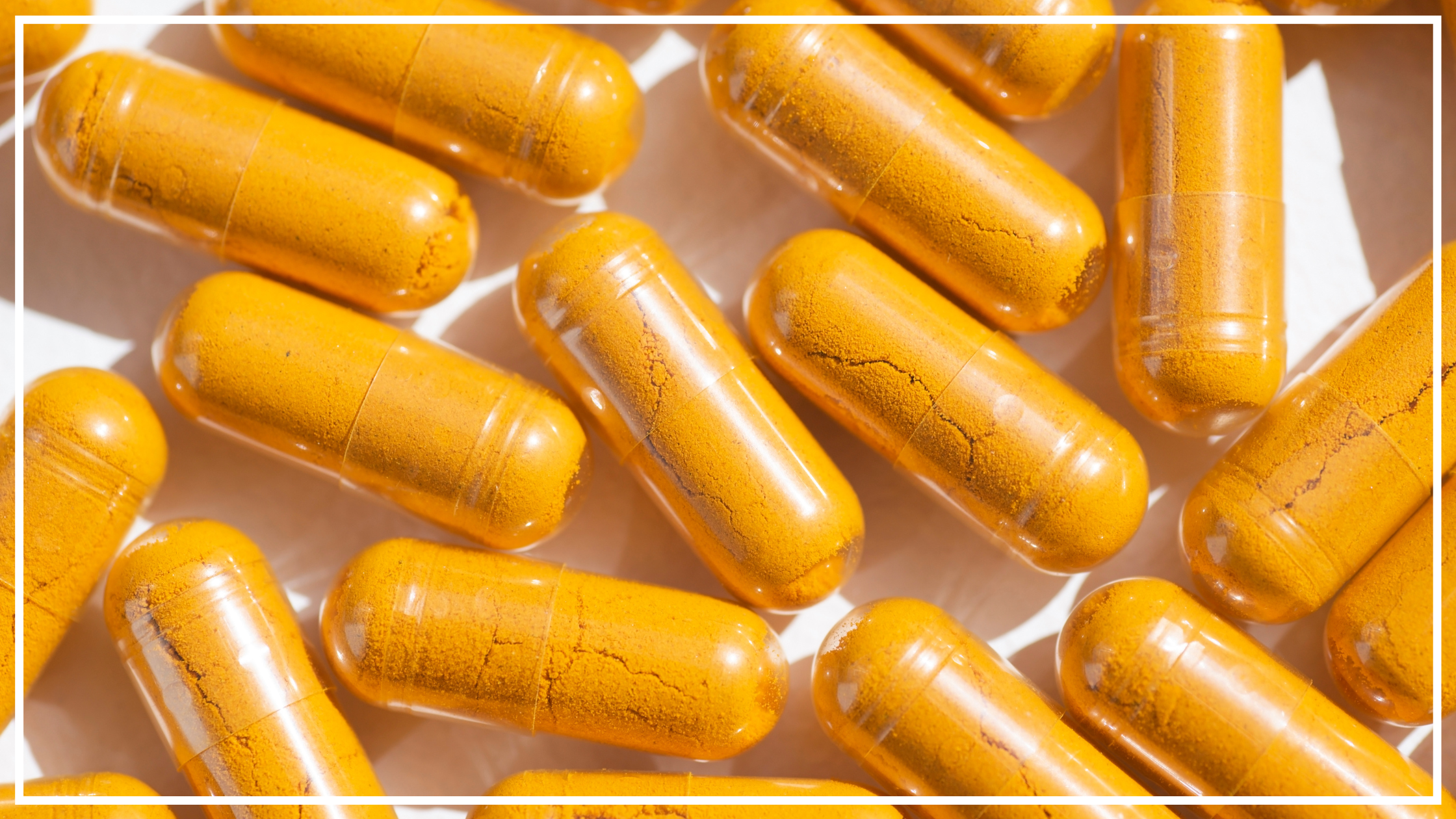
Antioxidants are one of the most commonly discussed interventions in male fertility.
The logic is simple. Sperm are vulnerable to oxidative stress, and antioxidants help neutralise that damage. On paper, it makes sense. But the more important question is not whether something makes sense biologically — it’s whether it actually improves outcomes that matter.
Oxidative Stress and Sperm Function
Sperm are particularly vulnerable to oxidative stress. They have very limited internal antioxidant defences, and once damage occurs — especially to DNA — there is very little capacity for repair. This is one of the reasons oxidative stress is linked to reduced motility, impaired function, and DNA fragmentation.
Antioxidants, in theory, help reduce that oxidative damage. So biologically, the idea holds up. But biological plausibility doesn’t always translate into meaningful clinical outcomes.
What Does the Evidence Show?
Antioxidants have been studied across a wide range of clinical trials, including individual nutrients and combination formulas. Some studies show improvements in sperm parameters such as motility and concentration, while others show reductions in DNA fragmentation — and many show little to no effect at all. So the signal is there, but it is inconsistent.
When these studies are pooled together in large systematic reviews, there appears to be some suggestion of improved pregnancy or live birth rates, but the certainty of that evidence is low. Many of the included studies are small, use different formulations, and measure different outcomes. And importantly improvements in sperm parameters do not consistently translate into improved fertility outcomes.
This is one of the key limitations in this area. What looks better on a lab report does not always change what happens in real-world conception or treatment.
The MOXI Trial: A Reality Check
One of the largest and most well-designed trials in this space — the MOXI trial — evaluated a combination antioxidant formula compared to placebo. It found no significant improvement in semen parameters, DNA fragmentation, or live birth rates. This doesn’t mean antioxidants never work. But it does challenge the idea that they work reliably when used as a blanket approach.
It’s also worth noting that sperm require a physiological level of oxidative activity for normal function, and excessive antioxidant supplementation may disrupt normal redox balance rather than improve it.
Why Is the Evidence So Inconsistent?
Part of the issue is how difficult this area is to study well. Different trials include very different groups of men — some with clear fertility issues, others with relatively normal results. Baseline oxidative stress is not always measured, meaning we often don’t know who is most likely to benefit before treatment begins.
Doses, formulations, and combinations vary widely between studies. Many trials are relatively short, sometimes shorter than a full sperm development cycle, which makes it harder to detect meaningful changes.
On top of that, different studies measure different outcomes. Some focus on semen parameters, while others look at pregnancy or live birth. So taken together, it’s not surprising the evidence lacks consistency. In many cases, we’re studying different people, with different problems, using different interventions — and expecting consistent results.
Diet vs Supplements: A Broader Perspective
At the same time, when we step back and look at broader dietary patterns, the evidence tends to be more consistent — particularly for sperm parameters. Diets built around whole foods, plant diversity, quality fats, and minimally processed foods are more reliably associated with better sperm outcomes.
That doesn’t mean diet is a guaranteed solution, or that it consistently improves pregnancy or live birth rates. But it does highlight an important pattern across the literature.
Interventions that influence multiple biological pathways at once — like overall diet and lifestyle — tend to behave more predictably than isolated nutrients. When we isolate one part of that system — such as antioxidant supplementation — the evidence becomes far less predictable, with variable findings and limited translation to clinical outcomes.
For a broader breakdown of how nutrition supports sperm health, see my guide on
👉 How to Improve Sperm Health Naturally
And for a deeper dive into how supplements fit into that picture:
👉 Supplements for Male Fertility: What Actually Works
Where Do Antioxidants Fit in Practice?
This is where context matters. The question isn’t just whether antioxidants work — it’s whether they make sense in a given situation.
A simple framework can help guide that decision:
Is there a clear indication?
Is there evidence of deficiency?
Is there a specific biological pathway we are trying to support?
When those pieces line up, supplementation can be useful. When they don’t, it often just adds noise.
For a full overview of how diet and lifestyle shape fertility outcomes, see:
👉 The Male Fertility Diet
Final Thoughts
Antioxidants are a good example of something that makes sense on paper — but needs to be applied carefully in practice.
They are not a shortcut. And they don’t replace the foundations.
If you’re trying to work out what actually matters in your situation, book a Sperm Health Assessment to move from uncertainty to a clear plan.
References
Smits RM, Mackenzie-Proctor R, Yazdani A, Stankiewicz MT, Jordan V, Showell MG. Antioxidants for male subfertility. Cochrane Database Syst Rev. 2019;3:CD007411.
Steiner AZ, Hansen KR, Barnhart KT, Cedars MI, Legro RS, Diamond MP, et al. The effect of antioxidants on male factor infertility: the MOXI randomized clinical trial. Fertil Steril. 2020;113(3):552–560.e3.
Henkel R. The impact of oxidative stress on male reproductive function and the role of antioxidants in the treatment of male infertility. World J Mens Health. 2019;37(2):144–159.
Tully CA, Alesi S, McPherson NO, Sharkey DJ, Teong XT, Tay CT, et al. Assessing the influence of preconception diet on male fertility: a systematic scoping review. Hum Reprod Update. 2024;30(3):243–261.