If you’ve been looking into male fertility, you’ve probably come across a long list of nutrients, supplements, and “fertility foods.”
Zinc. Antioxidants. Omega-3s. Superfoods.
But that raises a more practical question: what does a fertility-supportive diet actually look like day to day?
Because knowing what matters is one thing. Knowing what to eat tomorrow is another.
For a structured overview of how nutrition influences sperm development, you can start here:
👉 How to Improve Sperm Health Naturally
This article focuses on the next step — what that actually looks like in practice.
Most Men Aren’t That Far Off
Most men think they’re eating reasonably well. And to be fair, a lot of the time they are.
It’s not takeaway every night. There’s usually a decent dinner. During the day it feels like things are “not too bad.”
But when you actually step back and look across the day, a different pattern tends to emerge.
Breakfast is often light, or skipped altogether. Lunch is whatever’s convenient. Dinner ends up doing most of the heavy lifting, and everything else fills the gaps.
On paper, that doesn’t look terrible. But it’s not the pattern we consistently see in diets linked to better sperm health.
It’s Not About One Food
This is where most people get stuck.
They look for one nutrient, one food, or one thing to add.
But research consistently shows that overall dietary patterns matter more than individual foods (Salas-Huetos et al.; Gaskins & Chavarro).
So rather than focusing on isolated changes, it’s more useful to look at what your day is actually built around. What shows up regularly, what gets repeated, and how your meals are structured across the day.
The Real Shift Happens Across the Day
For many men, most of the “good nutrition” happens at dinner.
That’s where the vegetables are. That’s where the protein is. That’s where the effort goes.
The shift isn’t about making dinner better. It’s about no longer relying on dinner to carry the entire day.
Instead, the day becomes more evenly built. Protein shows up earlier, meals become more consistent rather than reactive, and there’s less reliance on whatever happens to be quickest in the moment.
Breakfast starts to carry some weight. Lunch becomes something a bit more deliberate. Dinner still matters, but it’s no longer trying to make up for everything that came before it.
And that shift matters, because sperm are built over time, not in isolated moments (Holstein et al.).
What This Actually Looks Like in Practice
When this is done well, the pattern isn’t extreme or complicated. It’s just more consistent.
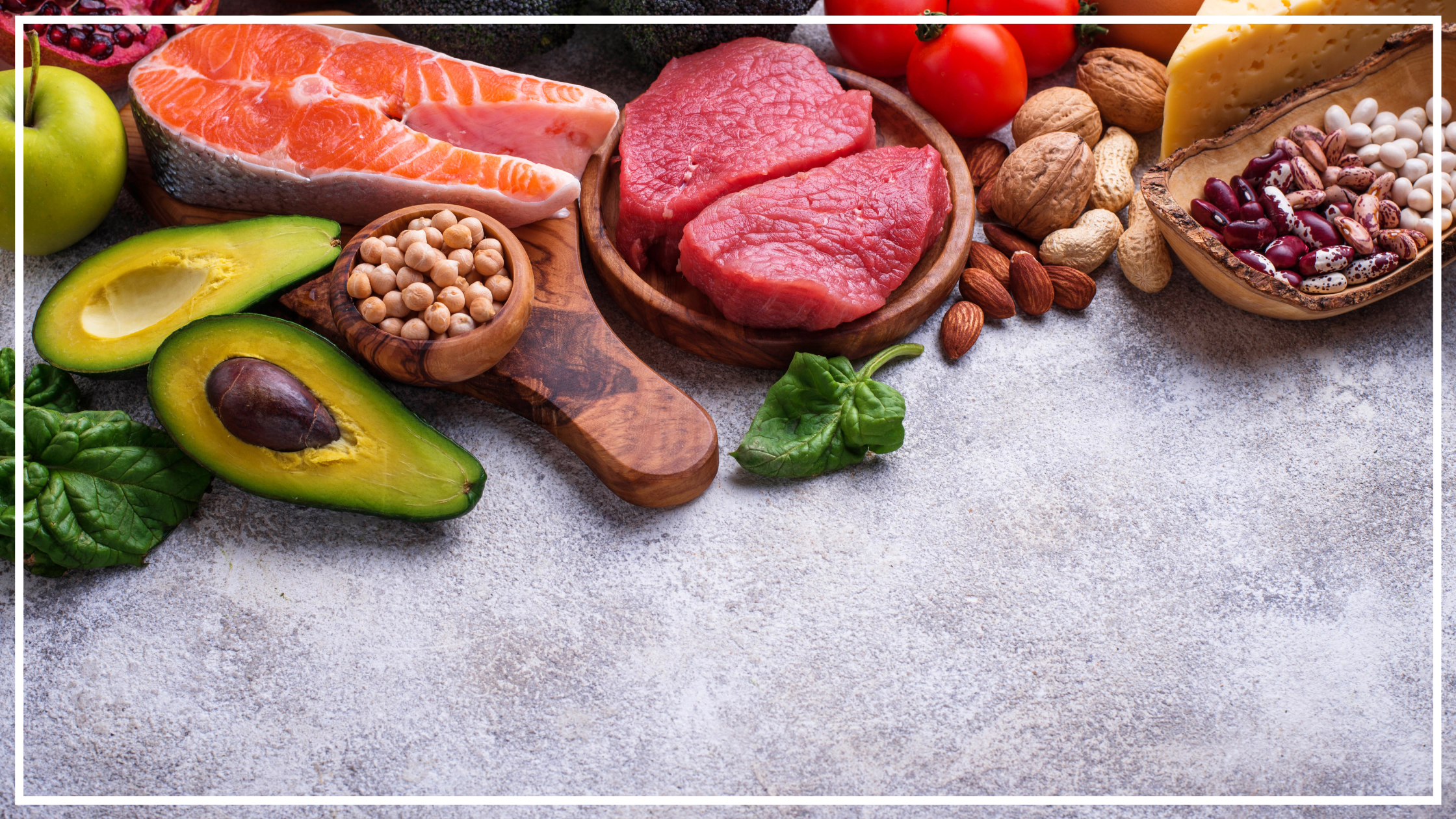
Protein tends to show up across the day, not just at dinner. Breakfast might include eggs, yoghurt, or something more substantial than coffee and toast. Lunch is usually built around a clear base — some form of protein, combined with carbohydrates and something fresh — rather than just filling the gap until the evening.
Plant foods also become more regular. Not perfect, not excessive, but present across the day rather than only appearing at dinner. This kind of pattern, where whole foods and plant foods are included consistently, has been associated with better semen parameters in observational research (Salas-Huetos et al.; Tully et al.).
Carbohydrates are still there, but they’re less driven by convenience. Instead of relying heavily on refined or packaged options, meals tend to centre around staples like oats, rice, potatoes, or wholegrain bread. These patterns broadly align with dietary approaches linked to better metabolic and reproductive health (Gaskins & Chavarro).
Fats shift as well. Rather than coming mostly from takeaway, fried foods, or processed snacks, they tend to come from foods like olive oil, nuts, seeds, and fish. Higher intake of unsaturated fats, and lower intake of processed fats, has been associated with better sperm quality in observational studies (Afeiche et al.).
None of this is extreme. It’s just a pattern where most meals are doing some of the work.
A Typical Day (Without Overthinking It)
If you put that into a day, it doesn’t look particularly complicated.
Breakfast might be eggs on toast, or yoghurt with fruit and oats. Something that includes protein and carbohydrate, and actually carries you through the morning.
Lunch is often simple. Leftovers from the night before, or a sandwich or wrap built around a clear protein source, with something fresh alongside it. The key difference is that it’s put together deliberately, rather than being whatever happens to be available in the moment.
Dinner still looks familiar. A source of protein, vegetables on the side, and some form of carbohydrate like rice, potatoes, or pasta.
Snacks, when they’re there, tend to contribute something — fruit, yoghurt, nuts — rather than just filling the gap.
The Weekly Pattern Matters More Than Any One Day
When you zoom out across the week, another pattern becomes obvious.
Meals repeat more than people expect. Breakfast is often the same most days. Lunch isn’t reinvented daily. Dinner rotates through a handful of familiar options.
And that’s actually a good thing.
Because consistency is what drives the overall pattern. Not variety for the sake of it.
You don’t need a completely different meal every day, and you don’t need complicated recipes to get this right. What you need is a small rotation of simple, balanced meals that come together easily and hold up across the week.
That’s where most people get stuck — not on what to eat, but on how to make it consistent.
A Practical Reference Point
If you want to see how this looks across a full week, there’s a simple 7-day example on the website.
👉 [7-Day Fertility Meal Plan – Example]
It’s not a prescription. It’s just a reference point for how this pattern can come together in real life.
What This Diet Does (and Doesn’t Do)
This type of dietary pattern is associated with better sperm health.
But it’s important to be clear about what that means.
It doesn’t guarantee fertility outcomes. It doesn’t replace medical care when it’s needed. And it won’t override more significant factors on its own.
What it does is improve the internal environment in which sperm develop, support the biological processes involved in sperm production, and help shift things in a more favourable direction over time.
If you’re preparing for conception or IVF, timing matters as well.
👉 The 12-week sperm development cycle explains why.
The Bottom Line
You don’t need a perfect diet.
But you do need a solid one that holds up, day after day.
Because sperm health isn’t built in a single meal. It’s built through patterns that repeat over time.
Want a Structured Plan?
If you’re trying to conceive and want a clear, personalised approach, I work with men and couples across Australia via telehealth.
A Sperm Health Assessment looks at diet, lifestyle, and existing results, and gives you a structured, prioritised plan.
References
Salas-Huetos A, Bulló M, Salas-Salvadó J. Dietary patterns, foods and nutrients in male fertility parameters and fecundability: a systematic review of observational studies. Hum Reprod Update. 2017;23(4):371–389.
Gaskins AJ, Chavarro JE. Diet and fertility: a review. Am J Obstet Gynecol. 2018;218(4):379–389.
Holstein AF, Schulze W, Davidoff M. Understanding spermatogenesis is a prerequisite for treatment. Reprod Biol Endocrinol. 2003;1:107.
Tully CA, Alesi S, McPherson NO, Sharkey DJ, Teong XT, Tay CT, et al. Assessing the influence of preconception diet on male fertility: a systematic scoping review. Hum Reprod Update. 2024;30(3):243–261. doi:10.1093/humupd/dmad035.
Afeiche MC, Gaskins AJ, Williams PL, et al. Dietary fats and semen quality among men attending a fertility clinic. Hum Reprod. 2014;29(8):1787–1794.