Supplements and Men’s Fertility: When They Help — and When They Don’t
Are supplements the missing piece?
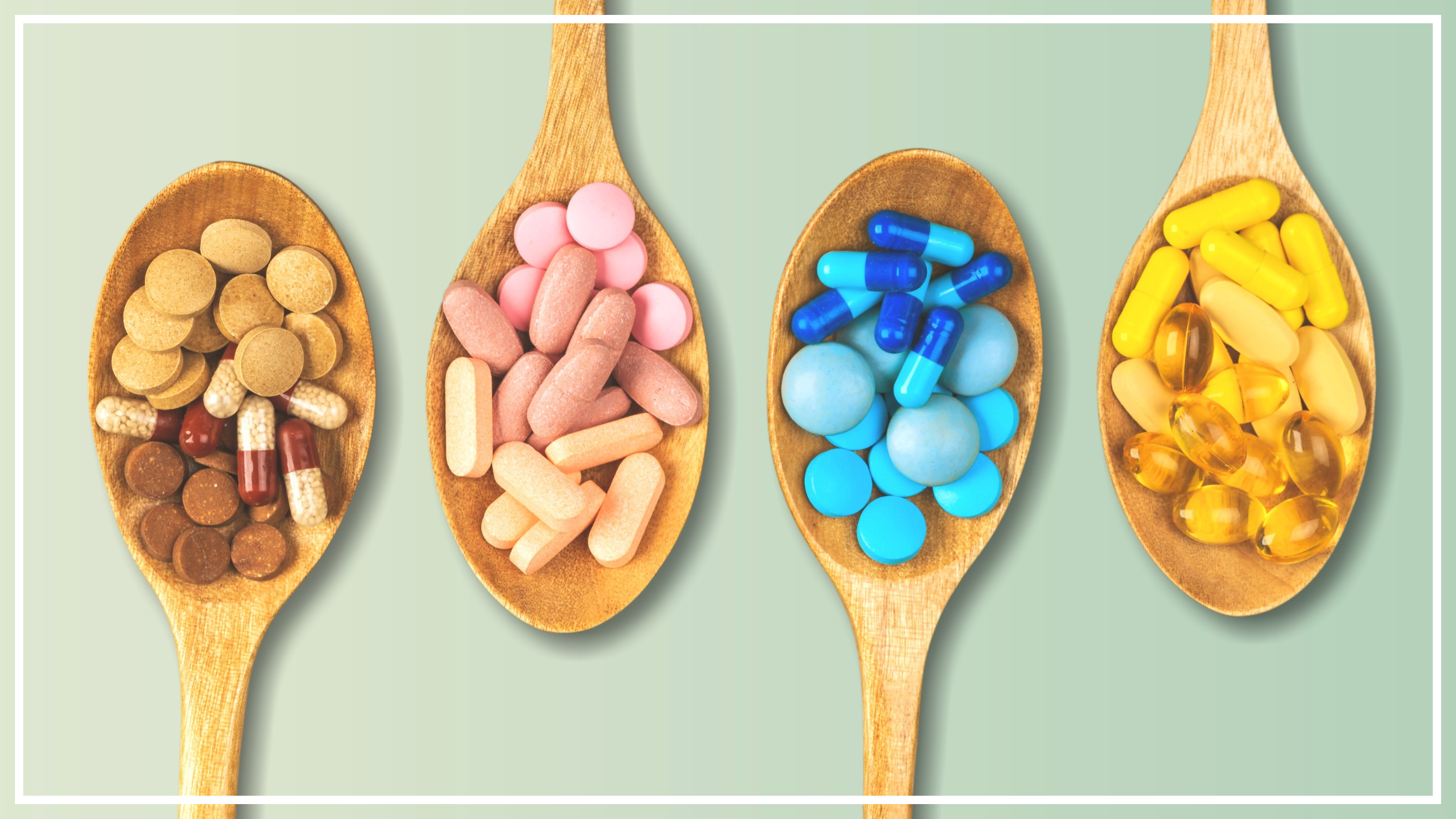
If you’re trying to conceive, it’s very easy to end up in the supplement aisle. Search online for ways to improve sperm health and you’ll quickly find long lists of nutrients, fertility blends, antioxidants and specialised multivitamins marketed specifically for men. Many promise to support sperm count, motility or overall fertility.
Most men who start supplements aren’t doing it casually. They’re doing it because they want to take action and improve their chances. Supplements feel direct and specific, and compared with changing diet, alcohol habits, sleep patterns or daily routines, swallowing a capsule can seem far more straightforward.
The problem is that supplements often become the starting point rather than a refinement of a broader plan. When they’re used in isolation, expectations can quickly drift away from reality.
Why supplements come up so often in fertility discussions
Male fertility is influenced by a wide range of biological processes. Sperm development relies on hormonal regulation, adequate nutrient availability, mitochondrial energy production, controlled oxidative stress, healthy metabolic function and adequate sleep and recovery.
These systems interact with one another and are shaped by overall health, diet quality, lifestyle patterns and environmental exposures. Supplements typically target only one small piece of this larger system.
For example, antioxidants may influence oxidative stress, zinc or folate may support certain stages of sperm development, and Coenzyme Q10 may support cellular energy production. These mechanisms are biologically plausible, which is why supplements attract so much attention in fertility research.
However, fertility is rarely determined by a single pathway. That’s where context becomes important.
The 12-week window that often gets overlooked
One reason supplements can feel disappointing is timing. Sperm are not produced overnight. The full sperm development cycle takes roughly 70–90 days, followed by additional time for maturation, as outlined in the World Health Organization’s laboratory manual for semen analysis. In practical terms, that means the sperm involved in conception today actually began developing around three months earlier.
Any intervention aimed at improving sperm health — diet, lifestyle changes or supplements — needs to align with this timeline.
Short trials are often written off as ineffective simply because they were never given enough time to influence the sperm development cycle. Understanding this window is important when interpreting both research studies and personal results.
What the research actually shows
You’ll often hear that the evidence for supplements in male fertility is “mixed.” That description is accurate, but it’s worth unpacking why.
Some studies report improvements in semen parameters with nutrients such as Coenzyme Q10, zinc, selenium, omega-3 fatty acids and vitamins C and E. However, results are inconsistent across trials, including in systematic reviews of antioxidant supplementation in male infertility.
This inconsistency does not necessarily mean supplements are ineffective. Rather, it reflects the challenges of studying fertility interventions.
Many trials in this area are relatively small or run for shorter periods than the full sperm development cycle. Others use different doses, formulations or outcome measures, and participants often have very different baseline health and diet quality.
When those variables differ between studies, results are unlikely to line up neatly. As a result, broad conclusions such as “supplements work” or “supplements don’t work” tend to oversimplify the evidence.
What the research generally supports is a more nuanced view: supplements may provide benefit in specific contexts, but they are not universally effective for all men.
Why food and lifestyle come first
In fertility nutrition, food and lifestyle are not optional extras. They form the foundation on which everything else sits.
This isn’t a moral position or an anti-supplement stance. It simply reflects how human biology works. Diet and lifestyle influence multiple fertility pathways simultaneously, including hormone balance, inflammation, oxidative stress, metabolic health, sleep quality and overall nutrient status.
Food also delivers nutrients in combination rather than isolation. A meal containing fish, vegetables, whole grains and healthy fats provides a broad mix of nutrients, fibre, antioxidants and bioactive compounds working together. A supplement capsule, by contrast, usually delivers a single nutrient or a narrow combination.
Lifestyle factors also influence whether the body is able to use nutrients effectively in the first place. Poor sleep, excessive alcohol intake, metabolic dysfunction or chronic stress can all affect fertility physiology.
This is why supplements often make more sense after the foundations are in place, rather than before. When diet quality and lifestyle patterns are solid, supplements have something meaningful to build on.
Where supplements may help
When used deliberately, supplements can still play a useful role in male fertility care. In practice, clinicians often consider supplementation when one of three situations applies.
Addressing a potential nutrient gap
The first question is simple: is something missing?
This may involve low intake of certain foods, dietary patterns that do not meet nutrient requirements, gastrointestinal conditions affecting absorption or situations where nutrient demands are higher.
In these cases, supplementation can help correct a gap while longer-term dietary improvements are being implemented.
Supporting specific biological pathways
Sometimes supplementation is not about correcting a deficiency but about supporting a biological process involved in sperm development such as oxidative stress regulation. This may include pathways related to oxidative stress regulation, mitochondrial energy production or cellular membrane function.
For example, antioxidants or mitochondrial nutrients may be considered when oxidative stress or sperm motility is a concern. The aim is targeted support rather than blanket supplementation.
Situations where timing matters
Clinical context also influences these decisions. Supplement strategies may be considered when semen parameters are abnormal, couples are preparing for assisted reproduction, age-related changes are relevant or there is limited time before fertility treatment.
In these situations, priorities may shift slightly toward interventions that could support sperm health within the available timeframe.
Where supplements are commonly overused
The biggest issue with fertility supplements is not that they exist, but how they are often used.
A common pattern is that a man decides to improve fertility, purchases a fertility supplement or antioxidant blend, and then adds additional products if results are not obvious. Over time, this can lead to multiple supplements being taken simultaneously.
This pattern is sometimes referred to as supplement stacking.
Multivitamins, fertility blends and single-nutrient capsules frequently contain overlapping ingredients such as zinc, selenium, vitamin C, vitamin E or CoQ10. Without careful review, doses can quietly double or triple.
More is not always better. Many nutrients have a range where benefits are most likely, and beyond that range additional intake may provide no extra advantage.
Another common issue is indefinite supplementation. Many supplements are intended for specific phases or time windows, particularly when aligned with the sperm development cycle. Long-term use without review increases the likelihood of unnecessary overlap or excessive intake.
None of this means supplements are inherently dangerous. However, casual or unstructured use often creates complexity without clear benefit.
A practical framework for deciding whether supplements are useful
Instead of asking “Which supplement should I take?”, it can be more useful to ask a few structured questions.
Is there evidence of a deficiency or dietary gap?
Start by looking at overall diet quality. Are nutrient-dense foods regularly included, or are there obvious gaps in intake patterns?
If diet quality is poor, improving food choices will usually have a far greater impact than adding supplements.
Is there a specific biological pathway to target?
Is supplementation aimed at something specific, such as oxidative stress, inflammation or mitochondrial function? Or is it simply a general fertility blend without a clear purpose?
Targeted strategies tend to make more sense than broad, unspecific stacks.
Are the foundations already in place?
Before considering supplements, it is worth asking whether diet quality is reasonably strong, alcohol intake is under control, sleep and recovery are adequate and metabolic health factors are being addressed.
If these foundations are not in place, supplements are often being asked to compensate for much larger influences on sperm health.
A simple supplement audit you can do at home
If you are already taking supplements, a quick audit can be surprisingly useful.
Place every supplement bottle you are using on the bench and check three things:
Overlap – Are the same ingredients appearing in multiple products?
Dose creep – Are those ingredients being consumed in higher amounts than intended?
Purpose – Is each supplement being used for a clear reason?
If you notice significant overlap, it may be worth simplifying rather than adding more.
The key takeaway
Supplements are tools. They can support progress in the right context, particularly when they address a specific gap or biological process. However, they are not shortcuts.
In most cases, the biggest influences on sperm health come from the foundations: overall diet quality, alcohol patterns, sleep and recovery, metabolic health and consistent lifestyle habits across the full sperm development window.
When those foundations are strong, supplements can sometimes provide incremental benefit. When they are used in isolation, they are often being asked to do far more than they realistically can.
When to seek professional guidance
Supplement decisions become much clearer when they are guided by a comprehensive assessment. This typically includes diet quality and nutrient intake, lifestyle factors, health history and medications, semen analysis results and the broader fertility context.
GPs and pharmacists play an important role in safety and medical oversight, but detailed nutrition assessment is not always part of routine care.
Working with a dietitian can help determine whether supplements are likely to be useful — and just as importantly, when they are unlikely to add value.
If you're unsure whether supplements are appropriate for your situation, a structured Sperm Health Assessment can help identify where targeted changes may be useful — and where they’re unlikely to add value.
References
World Health Organization. WHO Laboratory Manual for the Examination and Processing of Human Semen. 6th ed. 2021.
Showell MG, Mackenzie-Proctor R, Brown J, Yazdani A, Stankiewicz MT, Hart RJ. Antioxidants for male subfertility. Cochrane Database of Systematic Reviews. 2022; Issue 5. CD007411.
Agarwal A, Baskaran S, Parekh N, et al. Male infertility. Lancet. 2021;397(10271):319–333.